
Shouts, Whispers, and Everything In Between
I had lunch with a lovely friend last week who tutors A-level students. She’s brilliant, highly educated, with a solid decade of experience, and she casually mentioned that she’s hoping to take on some more students.
“Let me help,” I said (I have an annoying habit of doing that). “I could make a digital flyer or knock up a landing page - just to get the word out.”
She told me that was very kind, and then promptly changed the subject.
I smiled to myself. I’m back in England now, and that is just not how things are done here.
I can imagine having the same conversation a few months ago with an American friend - in fact, I’ve had it many times. In the US, asking for and accepting help, claiming your space, and openly sharing your ambition is…normal. There’s an understanding that we’re all trying to achieve something. Maybe it’s growing a business to support your family, building community, or championing a theatre program that brings joy and opportunity to others. Boldness and visible enthusiasm are just part of the culture.
In the UK, the opposite is often true. Indirectness is key, there’s a reluctance to claim space, and doing so can feel crass. People shy away from talking about what they’re good at; they’re more restrained, subtle, and muted. For someone from another culture, this can feel frustrating. But there’s a reason for it. It fosters nuance, careful thinking, and long-term quality.
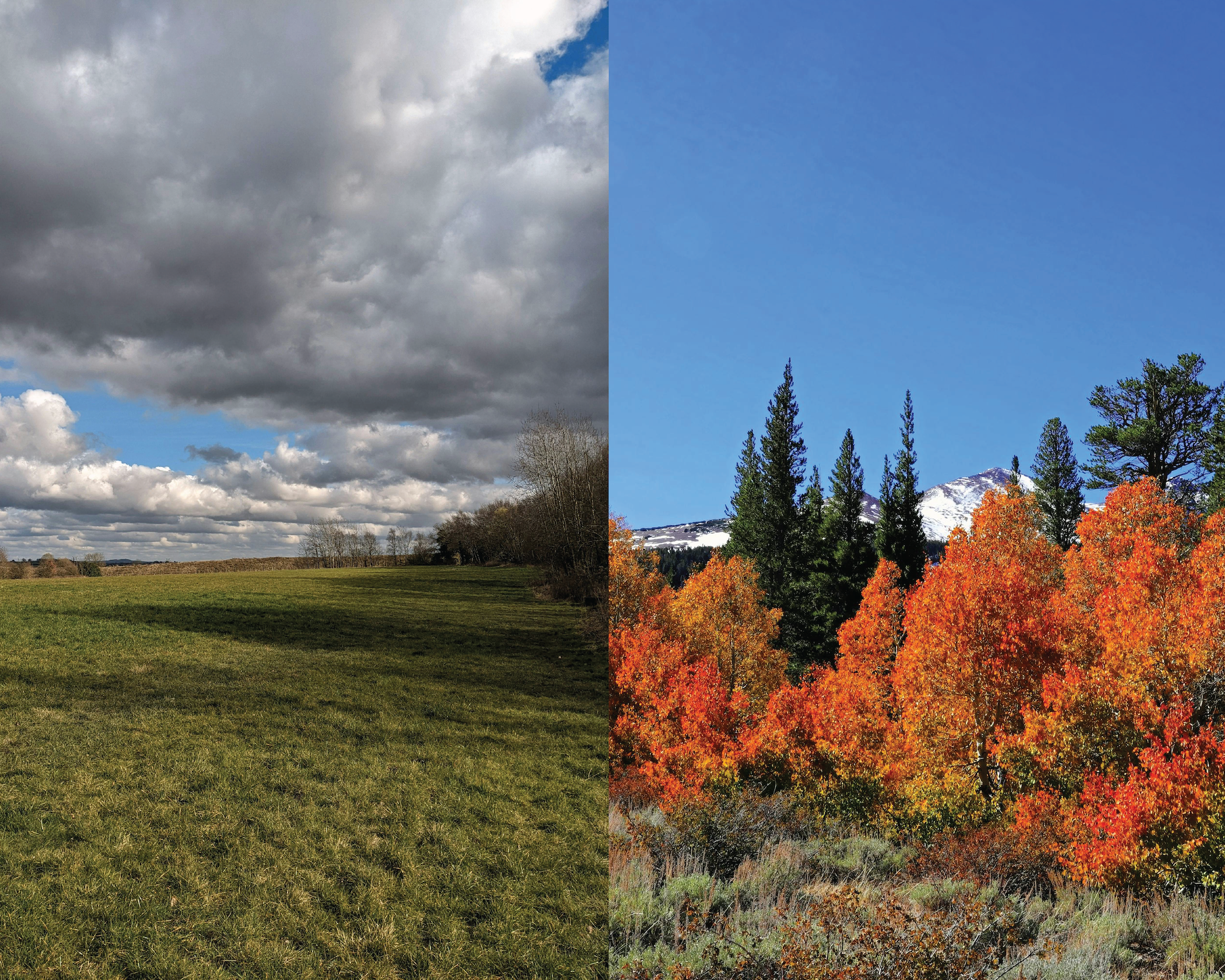
These cultural differences have deep roots. In the US, early settlers were extremely self-reliant. They had to claim land as they expanded westward - taking huge risks for survival. They did all this under brilliantly bright blue skies, metres of snow, deluges of rain, and sky-splitting thunderstorms. They stood on the edge of vast canyons and came across giant sequoias. Everything felt big, bright, extreme. On top of that, the US was built on immigration - a nation of people chasing opportunity, grasping for a new life, with nothing to lose and everything to gain. The cultural narrative that anyone can make it (if you can make it there, you can make it anywhere!) fosters optimism, ambition, and visible enthusiasm.
These tendencies show up in design too. American design often favors bright, bold colors, clear and assertive typefaces, action-oriented layouts, and lots of calls to action. There’s an emphasis on movement, engagement, and grabbing attention. Of course, not every design follows this rule, but it’s a common thread in what I see.
Contrast this with the UK. Here, centuries of social structure, etiquette, and order have resulted in a nation of people who are quietly self-confident. In a country shaped by a historical desire for harmony and social cohesion, showing restraint is elegant, professional, socially aware, and generally just the right thing to do. Design reflects this too: muted palettes that mirror the English landscape (as my daughter observed when she returned from Connecticut for university, the greens and browns here are soft, understated, far from the bright saturation of the US), typography that whispers rather than shouts, and clean, spacious layouts that invite exploration rather than force direction.
Working across both cultures has given me a new appreciation for each. From America, I’ve learned the courage to claim space (even physically from a man sitting next to me on the tube yesterday!), the permission to be ambitious, and the value of visible energy and enthusiasm. From England, I’ve learned patience, subtlety, and the power of enduring quality. Understanding both cultures allows me to navigate confidently - whether I’m designing for a client in London or California. It’s not about either one being preferable, it’s about knowing when to shout and when to whisper, when to lead with color and when to let space do the talking. It’s also about seeing opportunities to bring the strengths of one culture into the other.
Whether it’s helping a friend quietly claim a bit more space, or bringing a touch of subtlety to a bold project, to my mind, understanding the rhythms of both cultures leads to work that is richer, more nuanced, and far more interesting. It’s also a good reminder of just how much we can learn from one another.